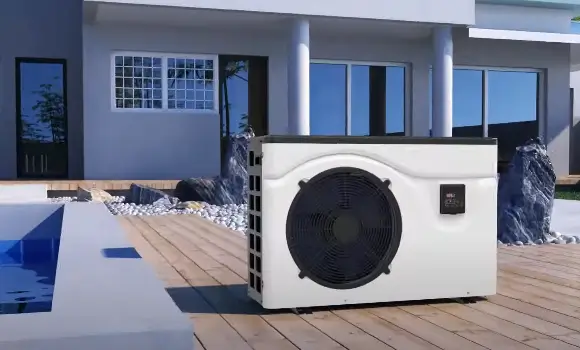
Electric heat pumps have revolutionized pool heating across Perth through technology that extracts warmth from air and transfers it to water efficiently. Unlike gas heating that creates heat or solar systems that capture it, pool heat pumps move existing thermal energy, making them fundamentally different from other heating approaches.
Understanding how electric heat pumps operate helps you appreciate why they’ve become Perth’s most popular heating solution.
The Refrigeration Cycle Explained
Electric heat pumps use refrigeration technology identical to air conditioning units, but in reverse. A refrigerant circulates through the system, absorbing heat from outdoor air in an evaporator coil, then releasing that heat into pool water through a heat exchanger.
This process is remarkably efficient because the heat pump moves thermal energy rather than generating it. Ambient air contains usable heat even on cool days. The refrigerant absorbs this heat, compresses it to higher temperatures, then transfers that concentrated warmth into your pool.
For every unit of electricity consumed, quality electric heat pumps deliver five to six units of heating power. This efficiency advantage makes them dramatically cheaper to operate than electric resistance heating or gas alternatives.
Inverter Technology Transformation
Modern electric heat pumps use inverter compressors instead of traditional on-off cycling. Standard heat pumps run at full capacity until reaching target temperature, then shut completely off. Inverter models adjust output continuously to match exact heating requirements.
This responsive operation delivers significant advantages. The system runs quieter because compressors never surge at maximum capacity. Temperature stays more consistent because the heat pump continuously adjusts rather than cycling on and off. Electricity usage drops 25% to 30% compared to standard models because the system never overruns or underperforms.
An inverter heat pump running at 30% capacity uses far less electricity than one cycling between full output and complete shutdown. The efficiency gains compound across entire seasons.
Weather Performance Characteristics
Electric heat pumps maintain excellent efficiency across Perth’s climate range. Performance stays optimal until ambient temperatures drop below 10 degrees, which rarely occurs in Western Australia.
Cold ambient temperatures reduce efficiency somewhat because the refrigerant absorbs less heat from colder air. However, Perth’s mild winters mean heat pumps stay in their sweet performance zone throughout heating season. This climate advantage makes electric heat pumps particularly suitable for Perth compared to colder Australian regions.
Solar heating struggles during cool cloudy weeks. Gas heating works regardless of weather but costs substantially more. Electric heat pumps balance reliability with operational efficiency across all Perth conditions.
Noise Characteristics
Quality electric heat pumps operate at 45 to 55 decibels during normal operation, roughly equivalent to normal conversation volume. This noise level is acceptable for most backyard locations.
Older single-speed heat pumps run noisier because compressors operate at full capacity. Inverter models stay quieter because they rarely reach maximum output. Proper equipment positioning with adequate airflow clearance further reduces noise perception.
Positioning matters significantly. Heat pumps tucked against walls or under eaves sound louder than units in open positions where sound disperses naturally.
Sizing Importance
Properly sized electric heat pumps match your pool volume, desired temperature, and usage patterns. Undersized systems run constantly without reaching target temperature. Oversized systems cost more upfront without delivering proportional benefits.
Most Perth residential pools need 10kW to 15kW capacity depending on pool size, exposure, and temperature targets. Professional assessment determines appropriate sizing for your specific situation.
Maintenance Requirements
Annual professional servicing keeps electric heat pumps operating at rated efficiency. Evaporator coils accumulate dust requiring periodic cleaning. Refrigerant levels need checking. Electrical connections require inspection.
Preventive maintenance prevents gradual performance degradation and extends equipment lifespan. Neglected heat pumps lose efficiency invisibly over months.
The Perth Advantage
Perth’s climate is ideal for electric heat pump operation. Mild winters, abundant sunshine, and moderate humidity create conditions where heat pumps thrive. Families wanting year-round swimming find electric heat pumps deliver consistent performance that alternative systems struggle to match.
Your pool becomes genuinely usable twelve months yearly with reliable heating regardless of weather conditions.