Introduction
Land development plays a crucial role in agriculture, construction, and infrastructure expansion, and it all begins with proper site preparation. One of the most important steps in this process is land clearing, which involves removing trees, shrubs, rocks, and other obstacles to make the land suitable for productive use. Over time, this process has evolved from manual labor into advanced, technology-driven operations that improve efficiency while reducing environmental impact. Today, land clearing is not just about removing vegetation; it is about preparing land in a way that supports long-term productivity, sustainability, and economic growth. As demand for usable land increases globally, the importance of efficient and responsible clearing practices continues to grow.
Importance of Preparing Land for Development
Before any construction or agricultural activity begins, the land must be properly prepared to ensure safety and stability. Natural landscapes often contain dense vegetation, uneven terrain, and hidden obstacles that can interfere with development projects. Without proper preparation, construction work may face delays, structural issues, and increased costs due to unexpected challenges. In agriculture, unprepared land can result in poor irrigation, reduced soil quality, and lower crop yields. This is where land clearing becomes essential, as it transforms raw and unusable land into a stable foundation for future development. Proper preparation ensures smoother project execution and reduces long-term risks associated with unstable ground conditions.
Modern Techniques and Equipment in Land Management
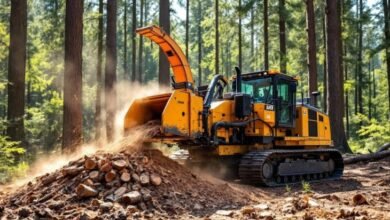
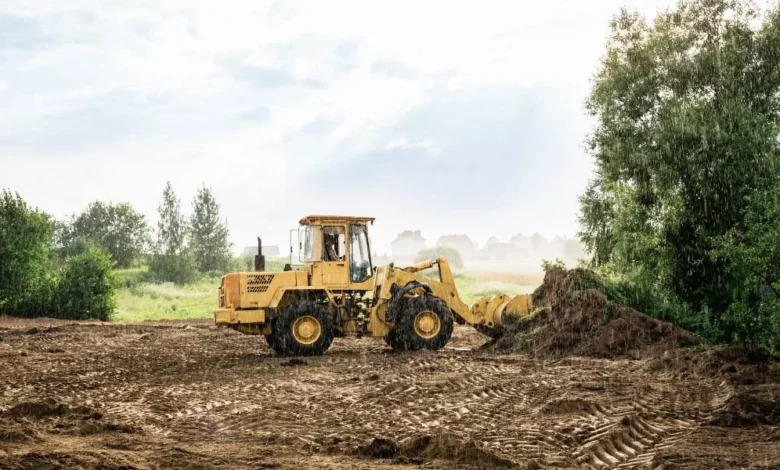
Advancements in machinery have completely transformed the way land is prepared today. Heavy equipment such as bulldozers, excavators, mulchers, and brush cutters are commonly used to remove vegetation and level terrain quickly and efficiently. These machines allow operators to clear large areas in a fraction of the time compared to traditional manual methods. In some cases, selective clearing techniques are used to preserve valuable vegetation while still preparing the site for development. This approach reduces unnecessary environmental disturbance while maintaining project efficiency. The use of modern equipment has made land clearing faster, safer, and more precise, allowing for better control over the entire process.
Environmental Benefits of Responsible Land Clearing
One of the most significant advantages of professional land clearing is its positive environmental impact when done responsibly. Traditional clearing methods often lead to soil erosion, habitat destruction, and loss of biodiversity. Modern techniques focus on minimizing these effects by preserving soil structure and reducing waste. Instead of completely removing all vegetation, selective clearing allows certain plants and trees to remain, helping maintain ecological balance. Organic material generated during the process can be reused as mulch, which helps improve soil fertility and retain moisture. This approach ensures that land development does not come at the cost of environmental degradation, supporting long-term ecological health and sustainability.
Economic Advantages of Land Preparation
Land development is closely tied to economic growth, and efficient site preparation plays a major role in this process. Proper land clearing reduces construction delays by eliminating unexpected obstacles and ensuring stable ground conditions. It also increases the value of land by making it suitable for residential, commercial, agricultural, and industrial use. In addition, the industry surrounding land clearing contributes to job creation and supports multiple sectors such as construction, agriculture, and environmental services. By improving efficiency and reducing project costs, professional land preparation directly contributes to stronger economic development and investment opportunities.
Agricultural Productivity and Land Use Efficiency
Agriculture depends heavily on the availability of usable and fertile land. Overgrown or unused areas must often be converted into productive farmland to meet increasing food demands. Land clearing plays a key role in this transformation by removing unwanted vegetation and preparing soil for cultivation. Once the land is cleared, irrigation systems, planting layouts, and soil management techniques can be implemented effectively. Cleared land allows for better water distribution and healthier crop growth, resulting in improved yields and more efficient farming operations. By eliminating invasive plants and improving soil access, land preparation supports long-term agricultural productivity.
Challenges in Large-Scale Clearing Operations
Despite technological advancements, land preparation still presents several challenges. Dense forests, rocky terrain, and uneven surfaces can make clearing operations more complex and time-consuming. Weather conditions such as heavy rainfall or extreme heat can also impact machinery performance and safety. In some areas, environmental regulations may limit the extent of vegetation removal to protect ecosystems and wildlife habitats. Another challenge is ensuring that soil quality is preserved throughout the process, as excessive disturbance can reduce long-term fertility. These challenges require careful planning, skilled operators, and the use of appropriate equipment to ensure efficient and responsible land preparation.
Environmental Restoration and Ecosystem Balance
Land clearing is not only used for development but also plays an important role in environmental restoration. Overgrown or degraded land can be restored through controlled vegetation management, allowing ecosystems to recover and thrive. By removing invasive species and promoting native plant growth, land managers can improve biodiversity and restore natural balance. Proper clearing techniques also help reduce fire risks and improve habitat conditions for wildlife. This balanced approach ensures that land remains both productive and environmentally sustainable, supporting long-term ecological health.
Technological Advancements in Land Management
The future of land preparation is being shaped by rapid technological advancements. Modern machinery is becoming more efficient, precise, and environmentally friendly. GPS-guided systems allow operators to map and execute clearing projects with high accuracy, reducing waste and improving efficiency. Drone technology is also being used to survey land and identify problem areas before work begins. These innovations improve planning, reduce costs, and minimize environmental impact. As technology continues to evolve, land clearing will become more sustainable, data-driven, and efficient, supporting smarter land management practices.
Conclusion
Proper land preparation is essential for supporting agriculture, construction, and infrastructure development. It ensures that land is stable, usable, and ready for long-term productivity. Modern techniques have greatly improved the efficiency and environmental responsibility of this process, making it possible to balance development needs with ecological protection. When carried out professionally, land clearing provides both environmental and economic benefits, including improved soil health, increased land value, and enhanced productivity. As global demand for usable land continues to grow, responsible and efficient clearing practices will remain a vital part of sustainable development strategies.