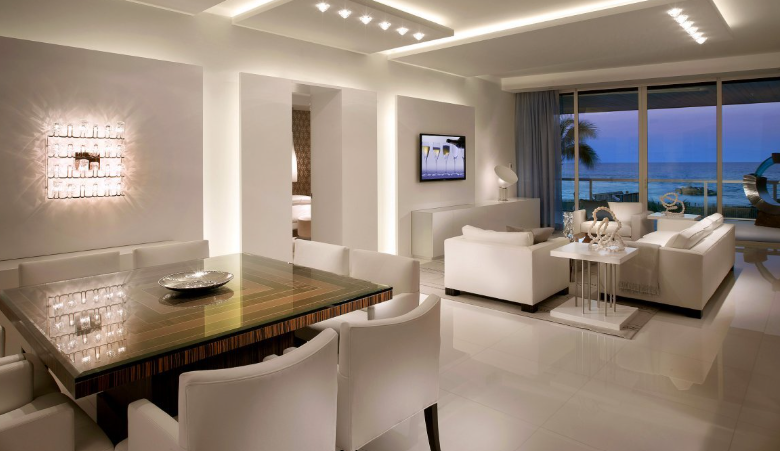
Light shapes how we feel in a space, often without us realizing it. A warm glow in the evening can help us unwind, while bright morning light helps us focus and wake up. Yet lighting is one of the most overlooked elements of a home. When done well, residential lighting design does far more than help you see—it sets the mood, supports your health, and brings out the beauty of your interiors.
This post explores how thoughtful lighting choices can transform daily living, room by room, layer by layer.
The Unseen Power of Light
We tend to notice furniture, paint colors, and flooring long before we think about light. But lighting quietly influences everything. It affects how spacious a room feels, how flattering it is, and even how comfortable we are spending time there. Treating light as an art form, rather than an afterthought, is the first step toward a home that feels intentional and alive.
Light’s Influence on Mood and Well-being
Our bodies respond to light in deep, biological ways. Natural light helps regulate our circadian rhythms—the internal clock that tells us when to feel alert and when to rest. Bringing daylight into your home through large windows, sheer curtains, and reflective surfaces can boost energy and improve sleep.
Color temperature matters too. Warm light (around 2700K) creates a cozy, relaxing feel, perfect for evenings. Cooler light (around 4000K and above) feels crisp and energizing, ideal for work and tasks. Smart residential lighting design balances these tones so each space feels right at every time of day.
Tailoring Lighting to Every Room
Every room serves a different purpose, so each deserves its own approach.
Living Room
This is where life happens—reading, hosting, relaxing, watching movies. Flexible lighting works best here. Combine soft ambient light with dimmable lamps and a few accent pieces so you can shift the mood from lively to laid-back in seconds.
Kitchen
Kitchens need bright, functional light for prep and cooking. Under-cabinet lighting clears shadows from countertops, while pendant lights over an island add both warmth and style. The goal is a space that’s practical without feeling clinical.
Bedroom
Your bedroom should feel like a sanctuary. Soft, warm lighting helps you wind down, while bedside lamps offer gentle light for reading. Avoid harsh overhead fixtures that can feel jarring at the end of the day.
Bathroom
Bathrooms call for a mix of task and relaxation lighting. Clear, even light around the mirror makes grooming easier, while a dimmer option creates a spa-like calm for soaking in the tub.
The Art of Layers
Great lighting rarely comes from a single source. Layering different types of light creates depth and flexibility.
- Ambient lighting provides the overall glow that fills a room, often from ceiling fixtures or recessed lights.
- Task lighting focuses on specific activities, like a desk lamp or kitchen under-cabinet lights.
- Accent lighting draws the eye to features such as artwork, plants, or architectural details.
- Decorative lighting acts as a design statement in itself—think sculptural pendants or a striking chandelier.
Combining these layers gives you control and turns a flat, evenly lit room into something far more inviting.
Smart Lighting: Innovation in Your Hands
Smart technology has made good lighting easier than ever. With app or voice control, you can dim lights, change colors, and set schedules from anywhere. Imagine lights that slowly brighten to wake you in the morning or dim automatically at bedtime.
Smart systems also save energy. LED bulbs use far less power than traditional ones, and automated controls ensure lights aren’t left on when no one’s around. For homeowners who care about sustainability and lower bills, this is residential lighting design working smarter, not harder.
How Lighting Transforms Interiors
Light is one of the most powerful tools for shaping how a home looks and feels. Well-placed fixtures can highlight architectural features like exposed beams or textured walls. Directed light brings attention to art and décor, giving cherished pieces the spotlight they deserve.
Layered light also creates depth and dimension, making rooms feel larger and more thoughtfully designed. Thoughtful residential lighting design can elevate even the simplest interior into something that feels rich and considered.
A Brighter Way to Live
Good lighting brings together comfort, function, and beauty in a way few other design elements can. It supports your well-being, makes everyday tasks easier, and reveals the best in your home. The real value of thoughtful residential lighting design lies in how it shapes daily life—gently, consistently, and beautifully.
Start small. Add a dimmer, swap a bulb, or layer in a lamp. Little changes can make a remarkable difference in how your home feels.