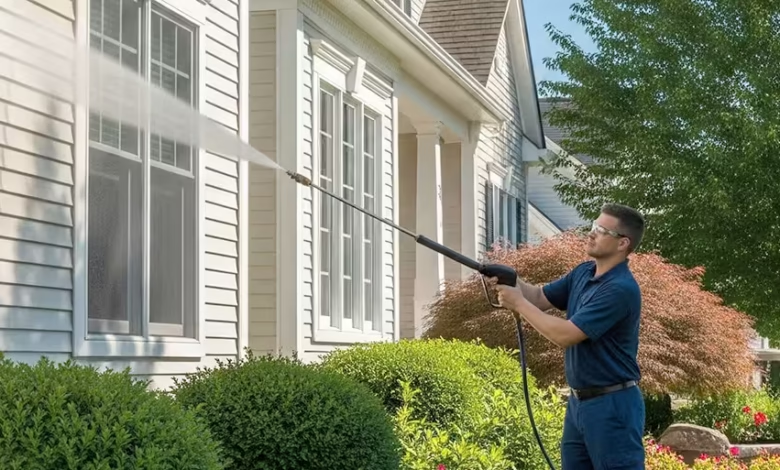
Pressure washing has become one of the most effective and widely used cleaning methods for restoring the appearance and hygiene of residential, commercial, and industrial properties. Over time, outdoor surfaces naturally accumulate dirt, mold, mildew, algae, grease, and environmental stains that cannot be removed through simple scrubbing or conventional cleaning methods. High-pressure water cleaning offers a fast, efficient, and environmentally friendly solution for removing stubborn buildup and restoring surfaces to their original condition.
Unlike traditional cleaning techniques, pressure washing uses a controlled stream of water at high pressure to break down contaminants and lift them away from surfaces. This method is especially useful for hard outdoor materials such as concrete, brick, stone, wood, and metal. When performed correctly, it not only improves visual appeal but also extends the lifespan of surfaces by preventing long-term damage caused by biological growth and embedded grime.
Understanding the Purpose and Function of Pressure Washing
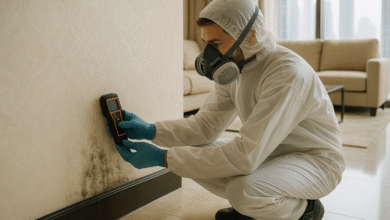
The primary purpose of pressure washing is deep cleaning. Everyday exposure to weather conditions, pollution, and organic growth leads to gradual surface degradation. Dirt and algae can make surfaces slippery and unsafe, while mold and mildew can cause health concerns in poorly maintained environments.
Pressure washing works by combining water pressure with targeted spray patterns to dislodge contaminants. The force of the water breaks the bond between the surface and unwanted materials, allowing them to be washed away effectively. In some cases, detergents or cleaning solutions are added to enhance the cleaning process and break down grease or organic matter more efficiently.
In professional cleaning services, pressure washing is often customized based on surface type, contamination level, and environmental conditions to ensure effective cleaning without causing damage.
Common Applications in Residential and Commercial Properties
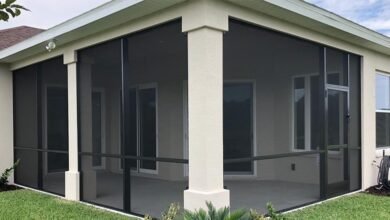
Pressure washing is widely used across different property types due to its versatility. In residential settings, it is commonly applied to driveways, sidewalks, patios, fences, decks, roofs, and exterior walls. These areas are constantly exposed to weather elements and tend to accumulate dirt and stains over time.
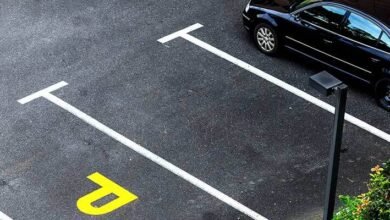
In commercial environments, pressure washing is essential for maintaining storefronts, parking lots, building facades, and walkways. Clean exteriors play a significant role in customer perception, making regular maintenance an important part of business presentation and branding.
Industrial applications include cleaning machinery, warehouses, loading docks, and heavy equipment. These areas often accumulate grease, oil, and industrial residue that require high-pressure cleaning systems for effective removal.The adaptability of pressure washing makes it suitable for both light residential cleaning and heavy-duty industrial maintenance.
Types of Pressure Washing Techniques and Equipment
Different cleaning tasks require different pressure levels and techniques. Standard pressure washing uses high-pressure water jets suitable for hard surfaces like concrete and stone. However, softer surfaces such as wood or painted siding require a gentler approach known as soft washing, which uses lower pressure combined with specialized cleaning solutions.
Hot water pressure washing is often used for removing grease, oil, and stubborn stains. The combination of heat and pressure makes it highly effective for industrial and commercial cleaning tasks.
Equipment used in pressure washing includes electric or gas-powered machines, high-pressure hoses, adjustable nozzles, and surface cleaners. Professional-grade machines allow operators to control pressure levels precisely, ensuring safe and efficient cleaning for different surfaces.Choosing the correct technique is essential in pressure washing to avoid surface damage while achieving optimal cleaning results.
Benefits of Pressure Washing for Property Maintenance
One of the most significant benefits of pressure washing is its ability to restore surfaces quickly and effectively. Over time, dirt and organic growth can make properties look aged and poorly maintained. Pressure washing instantly improves appearance by removing stains and buildup.
Another important benefit is safety improvement. Slippery surfaces caused by algae or moss can create hazards, especially on walkways and driveways. Regular cleaning reduces these risks and improves overall safety for residents, employees, and visitors.
Pressure washing also helps prevent long-term structural damage. Mold, mildew, and algae can slowly degrade materials such as wood and concrete. Removing these contaminants helps extend the lifespan of surfaces and reduces maintenance costs over time.In addition, pressure washing is an environmentally friendly cleaning method because it relies primarily on water pressure rather than harsh chemicals. When detergents are used, they are typically biodegradable and applied in controlled amounts.
Surface Types and Cleaning Considerations
Different surfaces require different levels of care during pressure washing. Concrete surfaces are highly durable and can withstand high-pressure cleaning, making them ideal for driveways and sidewalks. Brick and stone surfaces also respond well but may require careful attention to avoid mortar damage.
Wood surfaces, such as decks and fences, require lower pressure settings to prevent splintering or surface erosion. Soft washing techniques are often preferred for painted or delicate wood structures.
Vinyl siding and exterior walls need moderate pressure combined with appropriate cleaning solutions to remove dirt without damaging the finish. Roof cleaning requires special care and is typically performed using soft washing methods to avoid damaging shingles or tiles.Understanding surface sensitivity is essential in professional pressure washing to ensure effective cleaning without causing unintended damage.
Environmental and Health Benefits of Pressure Washing
Pressure washing contributes to a cleaner and healthier environment by removing pollutants, allergens, and biological contaminants from outdoor surfaces. Mold spores, pollen, and mildew buildup can affect air quality and trigger allergic reactions, especially in residential areas.
By eliminating these contaminants, pressure washing helps improve outdoor hygiene and reduces health risks. It also prevents slippery conditions caused by algae growth, making outdoor areas safer for foot traffic.
From an environmental perspective, pressure washing reduces the need for harsh chemical cleaners. Many modern systems rely primarily on water efficiency and controlled detergent use, making the process more sustainable compared to traditional cleaning methods.These benefits make pressure washing an important part of both property maintenance and environmental care.
Professional Pressure Washing vs DIY Methods
While DIY pressure washing equipment is widely available, there is a significant difference between amateur and professional results. Homeowners often use rental machines that may not provide consistent pressure control or specialized nozzles required for different surfaces.
Professional services bring experience, advanced equipment, and knowledge of surface behavior. This reduces the risk of damage such as paint stripping, wood erosion, or water intrusion into sensitive areas.
Professionals also understand proper cleaning solutions and techniques for different types of stains, including oil, rust, mold, and biological growth. This ensures more effective and longer-lasting results.Hiring experts for pressure washing is often more efficient and safer, especially for large or delicate projects.
Maintenance Frequency and Best Practices
The frequency of pressure washing depends on environmental conditions, property type, and usage levels. Residential properties typically benefit from annual or semi-annual cleaning, while commercial properties may require more frequent maintenance due to higher traffic and exposure.
Regular inspection helps identify areas where dirt buildup or biological growth is beginning to form. Early cleaning prevents stains from becoming permanent and reduces the effort required for future maintenance.
Proper scheduling also ensures that surfaces remain in good condition throughout the year, especially in areas with high humidity or heavy rainfall.Consistent pressure washing maintenance helps preserve property appearance and structural integrity over time.
One of the most common mistakes is using excessive pressure on delicate surfaces. This can cause irreversible damage such as cracking, stripping, or water penetration. Another mistake is using incorrect nozzles, which can concentrate pressure too narrowly and damage surfaces.Improper use of chemicals is also a concern. Harsh or unregulated cleaning agents can discolor surfaces or harm surrounding vegetation. Ignoring safety precautions, such as protective gear and proper water direction, can also lead to accidents.Avoiding these mistakes ensures that pressure washing remains a safe and effective cleaning method.
The cost of pressure washing services varies depending on surface area, level of dirt buildup, type of surface, and equipment required. Simple residential cleaning tasks such as driveways or patios are generally more affordable, while large commercial projects require higher investment due to complexity and time requirements.
Conclusion: Enhancing Property Value Through Professional Cleaning
Whether used for residential, commercial, or industrial applications, pressure washing plays a vital role in property maintenance and preservation. Its combination of effectiveness, environmental benefits, and cost efficiency makes it an essential service for maintaining modern structures.
Pressure washing is a powerful and efficient method for maintaining cleanliness, safety, and aesthetic appeal across a wide range of surfaces. By removing dirt, mold, and environmental buildup, it restores surfaces to their original condition while preventing long-term damage.
With proper techniques, regular maintenance, and professional expertise, pressure washing can significantly enhance property value and ensure long-lasting surface durability.Additional factors such as accessibility, height, and the need for specialized cleaning solutions can also affect pricing.Professional providers typically offer customized estimates based on inspection and project requirements, ensuring fair and transparent pricing.