Introduction to Modern Floor Protection Solutions
In modern residential, commercial, and industrial environments, flooring systems must do far more than simply provide a walking surface. They are expected to withstand heavy traffic, resist chemical spills, maintain appearance under constant use, and last for many years without frequent repairs. Traditional flooring materials such as bare concrete often fail to meet these expectations because they are porous, prone to staining, and vulnerable to cracking under stress. This has led to the development of advanced protective coatings that enhance both durability and performance. Among these solutions, polyaspartic coatings have become one of the most effective options for garage and industrial floors due to their fast curing, high strength, and long-lasting protection capabilities.
Understanding How Polyaspartic Systems Work
Polyaspartic coatings are a type of advanced polyurea-based system created through a chemical reaction between resin and hardener. Once mixed, the material quickly forms a strong, flexible, and highly durable surface that bonds tightly to concrete or other prepared substrates. Unlike traditional epoxy systems that require longer curing times, polyaspartic formulations cure rapidly while still maintaining excellent mechanical and chemical resistance. This allows for faster project completion and minimal downtime, which is especially valuable in industrial settings where operational efficiency is critical. The unique chemical structure of polyaspartic coatings provides superior resistance to wear, UV exposure, and environmental stress, making them suitable for both indoor and outdoor applications.
Fast Curing and Reduced Downtime Advantage
One of the most significant advantages of polyaspartic technology is its extremely fast curing time. In many cases, floors coated with polyaspartic systems can be returned to service within a single day, depending on environmental conditions and application thickness. This rapid turnaround is particularly beneficial for commercial and industrial facilities where downtime directly impacts productivity and revenue. Unlike traditional coatings that may require several days to fully cure, polyaspartic systems allow businesses to resume operations quickly without sacrificing performance or durability. This makes polyaspartic coatings a preferred choice for garage floors, warehouses, and high-traffic industrial environments.
Exceptional Durability and Impact Resistance
Durability is one of the most critical factors in flooring performance, especially in environments where heavy equipment, vehicles, and constant foot traffic are present. Polyaspartic coatings create a tough, impact-resistant surface that can withstand significant physical stress without cracking or peeling. The flexibility of the material allows it to absorb movement and pressure without losing adhesion to the underlying concrete. This makes it highly suitable for garage floors where vehicles are frequently parked, moved, and serviced. In industrial environments, polyaspartic coatings provide long-term protection against abrasion caused by machinery and equipment, ensuring that the floor maintains its integrity over time.
Chemical and Stain Resistance Benefits
Industrial and garage floors are often exposed to a wide range of chemicals, including oils, fuels, cleaning agents, and solvents. Traditional flooring materials can easily absorb these substances, leading to permanent stains and surface deterioration. Polyaspartic coatings provide a non-porous protective barrier that prevents liquids and chemicals from penetrating the surface. This resistance helps maintain a clean and professional appearance while also protecting the structural integrity of the concrete beneath. Spills can be easily wiped away without leaving stains or damage, making maintenance simpler and more efficient in demanding environments.
UV Stability and Color Retention
Unlike many traditional coatings that fade or yellow when exposed to sunlight, polyaspartic systems offer excellent UV resistance. This makes them ideal for spaces that receive natural light or outdoor exposure, such as open garages, loading areas, or industrial outdoor floors. The coating maintains its original color and gloss over time, even under continuous UV exposure. This long-term color stability ensures that surfaces remain visually appealing without frequent recoating or maintenance. As a result, polyaspartic coatings provide both functional durability and aesthetic longevity in a wide range of applications.
Low Maintenance and Easy Cleaning Advantages
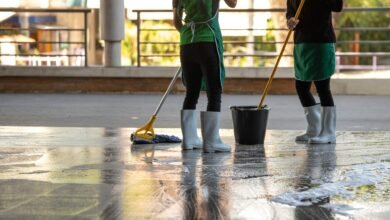
One of the most practical benefits of polyaspartic flooring systems is their low maintenance requirement. The seamless and non-porous surface prevents dirt, dust, and liquids from becoming trapped, making cleaning quick and effortless. Regular sweeping and occasional mopping are usually sufficient to maintain a clean and polished surface. Unlike tiled or untreated concrete floors, there are no grout lines or cracks where debris can accumulate. This significantly reduces cleaning time and maintenance costs, especially in large industrial spaces or busy garages where cleanliness and efficiency are essential.
Safety Enhancements and Slip Resistance Options
Safety is a major concern in both industrial and garage environments, where spills, moisture, and heavy traffic can create hazardous conditions. Polyaspartic coatings can be customized with anti-slip additives to improve traction and reduce the risk of accidents. These additives create a textured surface that enhances grip without compromising the overall appearance of the floor. Additionally, the reflective properties of the coating can improve lighting efficiency, increasing visibility in work areas. These safety features make polyaspartic coatings a reliable choice for environments where worker protection and operational safety are top priorities.
Surface Preparation and Installation Importance
The performance of any coating system depends heavily on proper surface preparation. Before applying polyaspartic coatings, the concrete surface must be thoroughly cleaned and mechanically prepared to ensure strong adhesion. This typically involves grinding or shot blasting to remove contaminants and create a textured profile for bonding. Any cracks or surface defects must be repaired before application to prevent future issues. Moisture testing is also important because excessive moisture can affect adhesion and curing performance. When these preparation steps are completed correctly, polyaspartic systems achieve maximum durability and long-term performance.
Application Process and Layering System
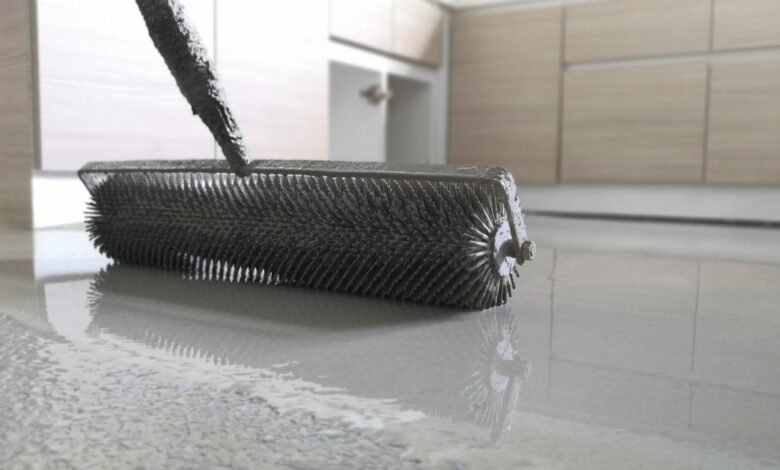
The installation process of polyaspartic coatings involves multiple carefully controlled steps to ensure a high-quality finish. First, a primer layer is applied to improve adhesion between the concrete and coating system. Once the primer is cured, the main polyaspartic layer is applied evenly using specialized tools such as rollers or squeegees. Depending on performance requirements, additional layers or decorative elements such as color flakes or quartz can be added to enhance both durability and appearance. Finally, a topcoat is applied to seal the system and provide additional protection against abrasion, chemicals, and wear. This layered approach ensures long-term performance and visual appeal.
Common Installation Issues and Performance Risks
Despite their advantages, polyaspartic coatings must be applied correctly to achieve optimal results. One of the most common issues is improper surface preparation, which can lead to poor adhesion and premature failure. Incorrect mixing ratios or delayed application can also affect curing due to the fast-setting nature of the material. Environmental conditions such as extreme humidity or temperature fluctuations can further impact performance if not properly managed during installation. Avoiding these mistakes is essential to ensure that polyaspartic coatings deliver their full strength, durability, and longevity potential.
Environmental Benefits and Sustainability Considerations
Modern coating systems are increasingly designed with environmental responsibility in mind, and polyaspartic coatings are no exception. Many formulations are low in volatile organic compounds, making them safer for indoor use and reducing environmental impact. Their long lifespan reduces the need for frequent recoating, which helps minimize material waste and resource consumption over time. Additionally, their fast curing time reduces energy usage during installation projects. These sustainability benefits make polyaspartic systems a responsible choice for environmentally conscious businesses and property owners.
Professional Installation and Long-Term Performance Assurance
While some coating systems may be suitable for DIY application, polyaspartic coatings are best installed by trained professionals due to their fast curing time and technical requirements. Professional installers understand how to manage timing, surface conditions, and application techniques to ensure a flawless finish. They can also identify underlying concrete issues that may affect performance if left unaddressed. Professional installation ensures that polyaspartic coatings perform at their highest potential, offering long-term durability, safety, and visual appeal.
Conclusion on Floor Performance and Long-Term Value
Polyaspartic flooring systems provide a powerful combination of strength, speed, and durability that makes them ideal for both industrial and garage environments. Their fast curing time reduces downtime, while their resistance to chemicals, UV exposure, and heavy traffic ensures long-lasting performance. When properly installed and maintained, polyaspartic coatings deliver exceptional value by reducing maintenance costs, improving safety, and enhancing surface appearance. Ultimately, they represent a modern and highly efficient solution for anyone seeking a reliable, long-term flooring system that performs well under demanding conditions.