Transforming Interior Spaces with Custom Backsplashes: Design, Materials, and Modern Trends

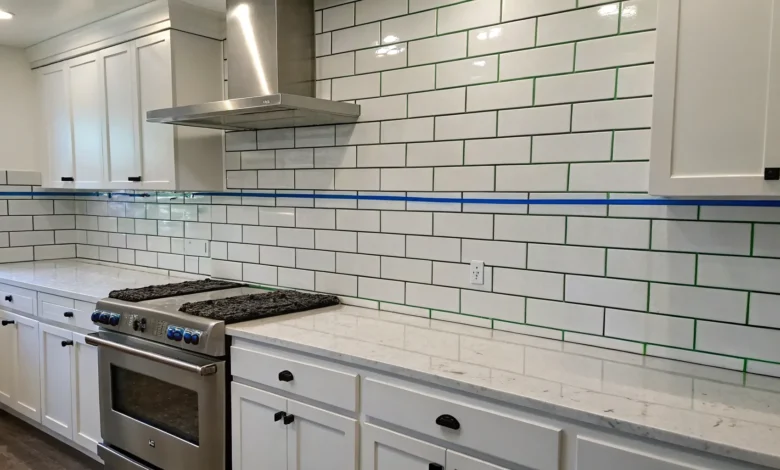
Interior design is no longer limited to furniture selection and wall colors; today, even the smallest details contribute to the overall character of a space. One such detail that has gained significant attention in kitchens, bathrooms, and commercial interiors is the backsplash. Once considered purely functional, backsplashes now serve as central design features that bring personality, texture, and visual depth to a room. With the growing demand for personalization in home and commercial design, custom backsplashes have become a preferred choice for property owners who want a unique blend of style and practicality.
A backsplash is more than just a protective surface behind sinks, stoves, or countertops. It acts as a barrier against moisture, grease, stains, and heat while simultaneously enhancing the aesthetic appeal of the surrounding environment. When designed thoughtfully, it can unify design elements, introduce color contrast, or serve as a statement feature that defines the entire room.
Understanding the Purpose and Function of Backsplashes
The primary function of a backsplash is protective. In kitchens, it shields walls from cooking splatters, steam, and heat exposure. In bathrooms, it prevents water damage caused by splashes from sinks and showers. Without this protective layer, wall surfaces can deteriorate quickly, leading to costly repairs, mold growth, and long-term structural issues.
However, modern design approaches have elevated backsplashes beyond their utilitarian role. They are now considered integral components of interior styling. Designers use them to create focal points, introduce texture, and enhance spatial harmony. The shift toward personalization has made custom backsplashes increasingly popular, allowing homeowners and designers to tailor materials, colors, and patterns according to specific design visions.Contemporary interior design emphasizes individuality and expression. Instead of following standardized templates, homeowners now prefer customized solutions that reflect their personality and lifestyle. This shift has significantly influenced the popularity of bespoke backsplash designs.
A customized approach allows complete control over materials, patterns, finishes, and layout. Whether the goal is a sleek modern kitchen, a rustic farmhouse aesthetic, or a luxurious spa-like bathroom, custom designs offer endless flexibility. Unlike pre-made options, they are not limited by mass production constraints, making it possible to create truly unique visual compositions.
The demand for custom backsplashes has also grown due to advancements in manufacturing and fabrication technologies. Digital printing, laser cutting, and precision tile production have made it easier to produce intricate patterns and personalized artwork that seamlessly integrate into interior spaces.
Popular Materials Used in Custom Backsplashes
Material selection plays a critical role in both the functionality and appearance of a backsplash. Each material offers distinct advantages in terms of durability, maintenance, cost, and aesthetic appeal.
Ceramic and porcelain tiles remain among the most widely used options due to their versatility and affordability. They are available in a wide range of colors, textures, and finishes, making them suitable for various design styles. Their resistance to moisture and heat makes them ideal for kitchen and bathroom applications.Glass backsplashes are another popular choice, especially in modern interiors. Their reflective surface creates a sense of openness and brightness, making smaller spaces appear larger. Glass can also be customized with printed designs, colors, or frosted finishes to achieve a unique look.
Natural stone materials such as marble, granite, and travertine offer a more luxurious and timeless appeal. Each stone slab is unique, providing natural variations in pattern and color that enhance visual richness. However, they often require sealing and regular maintenance to prevent staining and moisture damage.Metal backsplashes, including stainless steel and copper, are commonly used in contemporary and industrial-style kitchens. They offer a sleek, modern appearance while providing excellent durability and heat resistance. Over time, some metals develop a natural patina that adds character to the design.
For those seeking highly personalized solutions, mixed-material designs are also gaining popularity. Combining wood, tile, stone, or glass allows for creative expression and unique visual contrast that cannot be achieved with a single material alone.
Design Trends Shaping Modern Backsplash Styles
Interior design trends continue to evolve, and backsplashes have become a key area for experimentation and innovation. One of the most prominent trends is the use of bold patterns and geometric designs. Instead of simple, uniform tiles, designers are increasingly using intricate layouts to create visual interest.Another growing trend is the use of full-wall backsplashes that extend from countertops to ceilings. This approach creates a seamless, dramatic effect and eliminates visual breaks, making the space feel more cohesive and expansive.
Minimalist designs are also widely popular, especially in modern homes. These designs often feature neutral colors, clean lines, and subtle textures that blend seamlessly with surrounding surfaces. The goal is to create a calm and uncluttered environment.
On the other hand, artistic and decorative backsplashes are being used as statement pieces. These designs often incorporate hand-painted tiles, custom artwork, or mosaic patterns that serve as focal points within the room.
The integration of custom backsplashes into smart and sustainable design practices has also become more common. Eco-friendly materials, recycled glass, and low-impact manufacturing processes are increasingly being used to reduce environmental impact while maintaining aesthetic quality.
The Design Process Behind Custom Backsplashes
Creating a custom backsplash involves several stages, beginning with conceptual design and ending with installation. The process typically starts with understanding the client’s vision, space requirements, and functional needs.
Designers then develop sketches or digital renderings to visualize how different materials and patterns will look within the space. This stage allows for experimentation with color palettes, textures, and layouts before final decisions are made.Material selection follows, where durability, maintenance requirements, and design compatibility are carefully considered. Once materials are finalized, precise measurements are taken to ensure accurate fabrication and installation.
Modern fabrication techniques allow for high levels of customization, including laser-cut patterns, digital printing, and hand-crafted detailing. These technologies enable designers to bring even the most complex ideas to life with precision.Installation is the final step and requires careful attention to alignment, spacing, and sealing. Proper installation ensures that the backsplash not only looks visually appealing but also performs its protective function effectively.
Functional Benefits Beyond Aesthetics
While visual appeal is a major factor, backsplashes also provide several important functional benefits. One of the primary advantages is wall protection. In high-use areas like kitchens, walls are exposed to heat, moisture, and food splatter, which can cause long-term damage if not properly protected.
Backsplashes also make cleaning easier. Smooth, non-porous surfaces such as glass and ceramic can be wiped clean quickly, reducing maintenance time and effort. This makes them particularly valuable in busy households and commercial kitchens.
Another functional benefit is moisture resistance. In bathrooms and kitchens, excess moisture can lead to mold growth and structural damage. A properly installed backsplash helps prevent water from penetrating wall surfaces.When designed and installed correctly, custom backsplashes combine functionality with style, offering long-lasting protection while enhancing the overall design of a space.
Challenges in Custom Backsplash Projects
Despite their benefits, custom backsplash projects can present certain challenges. One of the most common issues is cost variability. Since custom designs involve specialized materials, fabrication, and labor, they can be more expensive than standard options.Another challenge is installation complexity. Intricate designs require precise alignment and skilled workmanship. Even minor errors can disrupt the overall pattern and affect the final appearance.
Material maintenance is also an important consideration. Some natural materials, such as marble or unsealed stone, require regular upkeep to maintain their appearance and durability. Without proper care, they may become stained or damaged over time.Design coordination can also be challenging, especially when integrating backsplashes with other interior elements such as countertops, cabinetry, and flooring. Achieving visual harmony requires careful planning and collaboration between designers and installers.
Proper maintenance is essential to preserve the beauty and functionality of a backsplash. Regular cleaning with appropriate products helps prevent buildup of grease, soap residue, and stains. Abrasive cleaners should be avoided for delicate materials such as glass or natural stone.Sealing is important for porous materials to prevent moisture absorption and staining. Periodic resealing helps maintain durability and appearance over time.
Inspecting grout lines and joints is also necessary to ensure long-term performance. Damaged or cracked grout should be repaired promptly to prevent water infiltration.Well-designed custom backsplashes are generally easy to maintain when appropriate materials and installation techniques are used, making them a practical long-term investment.
The Future of Backsplash Design
The future of backsplash design is expected to focus on greater personalization, sustainability, and technological integration. Digital customization tools are making it easier for homeowners to design their own patterns and visualize them in real time before installation.
Sustainable materials will continue to gain popularity as environmental awareness increases. Recycled glass, eco-friendly ceramics, and responsibly sourced stone are becoming more widely available.Smart surfaces and interactive materials may also become part of future interior design trends, allowing backsplashes to integrate lighting, displays, or functional digital elements.
Conclusion
As design innovation continues, custom backsplashes will remain a key feature in modern interiors, blending creativity, practicality, and technology.
Backsplashes have evolved from simple protective surfaces into powerful design elements that define the character of kitchens and bathrooms. With the growing emphasis on personalization and interior aesthetics, custom solutions offer unmatched flexibility and creativity.
From material selection and design development to installation and maintenance, every stage of the process contributes to the final result. When executed properly, custom designs provide both functional protection and visual enhancement, making them a valuable addition to any space.
Ultimately, custom backsplashes represent the perfect balance between utility and artistry, allowing homeowners and designers to create spaces that are not only practical but also visually inspiring and uniquely personal.