Air conditioning has become an essential part of modern living, especially in regions where high temperatures and humidity can make indoor environments uncomfortable or even unbearable. A properly installed air conditioning system does more than just cool a space; it improves indoor air quality, enhances comfort, and contributes to overall well-being. However, the effectiveness of any air conditioner largely depends on how well it is installed. Poor installation can lead to higher energy bills, frequent breakdowns, and reduced system lifespan. That is why understanding the process and importance of AC installation is crucial for homeowners and businesses alike.
In today’s world, air conditioning systems come in various types and capacities, designed to suit different room sizes, building layouts, and cooling requirements. Whether it is a split AC for a bedroom, a central cooling system for a large home, or a commercial HVAC setup, proper installation ensures that the system performs at its optimal level. Professional AC installation is not just about mounting a unit on the wall; it involves technical precision, correct placement, electrical safety, and system calibration.
The Importance of Proper AC Installation for Efficiency and Comfort
A correctly installed air conditioning system directly impacts energy efficiency and cooling performance. When an AC is installed without proper planning or technical expertise, it may struggle to maintain consistent temperatures, leading to unnecessary energy consumption. This not only increases electricity bills but also puts extra strain on the system, causing faster wear and tear.
Proper AC installation ensures that the unit is placed in an optimal location where airflow is not obstructed and cooling is evenly distributed across the room. For example, placing an indoor unit near heat sources or direct sunlight can reduce its efficiency significantly. Similarly, incorrect positioning of outdoor units can affect heat dissipation and overall system performance.
Another important aspect is safety. AC installation involves electrical wiring, refrigerant handling, and structural mounting. Any mistake in these areas can lead to safety hazards, including electrical faults or gas leakage. Professional installation minimizes these risks and ensures compliance with safety standards.
Different Types of Air Conditioning Systems Used Today
Understanding different types of air conditioning systems is essential before installation, as each system has its own requirements and benefits. The most common type used in residential settings is the split AC system, which consists of an indoor unit and an outdoor compressor. This system is popular because it is relatively quiet, energy-efficient, and suitable for individual rooms.
Window air conditioners are another traditional option, often used in smaller spaces. These units are installed directly into a window or wall opening and are generally more affordable but less efficient compared to split systems.
For larger homes, offices, and commercial buildings, central air conditioning systems or HVAC systems are commonly used. These systems provide cooling to multiple rooms through a network of ducts, ensuring uniform temperature control throughout the building. However, they require more complex installation and higher initial investment.
Inverter ACs have also gained popularity in recent years due to their energy-saving technology. Unlike traditional units that turn on and off repeatedly, inverter systems adjust compressor speed according to temperature needs, resulting in better efficiency and consistent cooling.
Each of these systems requires a different installation approach, making professional expertise essential for achieving the best results.
Step-by-Step Process of AC Installation
The process of installing an air conditioning system involves several important steps that must be carried out carefully to ensure proper functionality and efficiency.
The first step is site inspection and load calculation. Professionals assess the size of the room, insulation quality, number of occupants, and heat sources to determine the appropriate AC capacity. Installing an undersized or oversized unit can lead to poor performance and higher energy consumption.
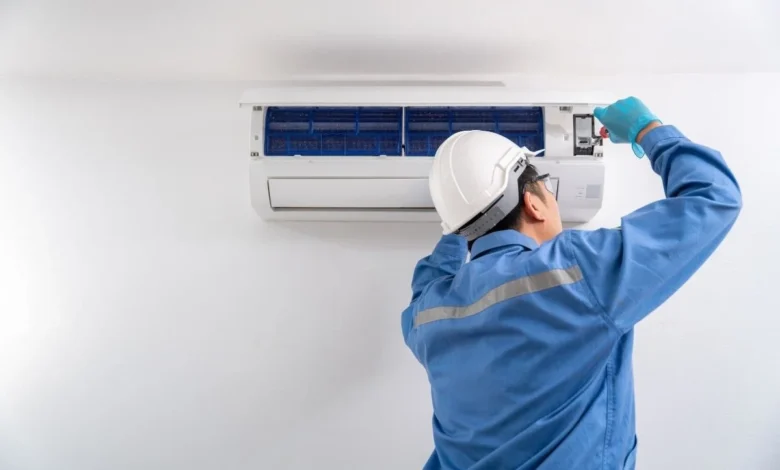
Next comes the selection of installation location. The indoor unit is usually placed on a wall that allows optimal airflow across the room, while the outdoor unit is positioned in a well-ventilated area for effective heat release. Proper spacing and accessibility are also considered during placement.
After marking the positions, technicians proceed with mounting the indoor unit bracket securely. The outdoor unit is placed on a stable base or stand to prevent vibration and noise issues. Proper alignment is crucial at this stage.
The next step involves drilling and piping. A small hole is created in the wall to connect refrigerant pipes, drainage pipes, and electrical wiring between the indoor and outdoor units. Insulation of pipes is carefully done to prevent energy loss and condensation issues.
Once the piping is complete, electrical connections are made. This step requires strict attention to safety standards to avoid electrical hazards. After wiring, the refrigerant lines are checked for leaks and vacuumed to remove any moisture or air.
Finally, the system is charged with refrigerant (if required), tested, and calibrated. The technician ensures that cooling performance, airflow direction, and temperature settings are functioning correctly before completing the installation.
Importance of Professional AC Installation Services
While some people consider DIY installation to save costs, air conditioning systems are complex appliances that require technical expertise. Hiring professional AC installation services ensures that the system is installed correctly, safely, and efficiently.
Professionals have the necessary tools and experience to handle different types of units and installation environments. They also ensure that the system complies with manufacturer guidelines, which is important for maintaining warranty validity.
Another advantage is long-term reliability. A professionally installed AC system is less likely to face issues such as gas leakage, drainage problems, or inefficient cooling. This reduces maintenance costs and increases the lifespan of the unit.
Professional installers also provide valuable advice on maintenance, usage, and energy-saving practices. This helps homeowners get the most out of their investment while keeping operating costs low.
Common Mistakes to Avoid During AC Installation
Improper AC installation can lead to several long-term problems. One common mistake is choosing the wrong capacity unit. An undersized AC will struggle to cool the room, while an oversized unit will consume excess energy and cause uneven cooling.
Incorrect placement of indoor and outdoor units is another frequent issue. Poor positioning can block airflow, increase noise levels, and reduce efficiency. Outdoor units placed in enclosed or poorly ventilated areas may overheat and fail to function properly.
Improper insulation of refrigerant pipes can also cause energy loss and reduced cooling performance. In some cases, poor drainage setup leads to water leakage inside the room, causing damage to walls and flooring.
Electrical errors are among the most serious installation mistakes. Faulty wiring can damage the AC system and pose safety risks. This is why professional installation is strongly recommended.
Energy Efficiency and Cost Considerations
Energy efficiency is a major factor when installing an air conditioning system. A properly installed AC consumes less electricity while providing optimal cooling. This is achieved through correct sizing, proper insulation, and efficient placement.
Modern inverter technology has significantly improved energy efficiency by adjusting compressor speed according to cooling demand. However, even the most advanced system will perform poorly if installation is not done correctly.
Cost is another important consideration. AC installation costs vary depending on system type, complexity of installation, and location conditions. While professional installation may seem expensive initially, it helps prevent costly repairs and energy wastage in the long run.
Investing in high-quality installation ensures better performance, reduced electricity bills, and longer system lifespan, making it a cost-effective decision over time.
Maintenance Tips After AC Installation
Once the AC is installed, regular maintenance is essential to keep it running efficiently. Cleaning air filters regularly helps maintain good airflow and indoor air quality. Dirty filters can reduce cooling efficiency and increase energy consumption.
Checking refrigerant levels periodically ensures that the system is functioning properly. Low refrigerant can reduce cooling performance and damage the compressor over time.
Outdoor units should be kept free from dust, leaves, and debris to allow proper heat dissipation. Scheduling professional servicing at least once or twice a year helps identify potential issues early and maintain system performance.
Proper usage habits, such as avoiding extreme temperature settings and ensuring doors and windows are closed while the AC is running, also contribute to energy efficiency and system longevity.
Future Trends in Air Conditioning Technology
The air conditioning industry is continuously evolving with new technologies focused on efficiency, comfort, and sustainability. Smart AC systems are becoming increasingly popular, allowing users to control temperature settings through mobile apps and voice assistants.
Energy-efficient systems using eco-friendly refrigerants are also gaining importance due to environmental concerns. These refrigerants reduce the impact on the ozone layer and contribute to sustainable cooling solutions.
Advanced air purification features are being integrated into modern AC systems, improving indoor air quality by removing dust, allergens, and bacteria. This is particularly beneficial for health-conscious users.
In the future, AC systems are expected to become even more intelligent, with AI-based temperature control, predictive maintenance, and enhanced energy optimization features.
Conclusion: The Value of Proper AC Installation
AC installation is a critical process that directly affects the performance, efficiency, and durability of an air conditioning system. From selecting the right unit to ensuring precise installation and proper maintenance, every step plays an important role in achieving long-term comfort and reliability.
A professionally installed AC system not only provides consistent cooling but also reduces energy consumption, lowers maintenance costs, and improves indoor air quality. Avoiding common installation mistakes and investing in expert services ensures that the system performs at its best for years.
As technology continues to evolve, modern air conditioning systems are becoming more efficient, intelligent, and environmentally friendly. However, regardless of how advanced a system may be, its success ultimately depends on proper installation and care. For homeowners and businesses alike, AC installation remains a key investment in comfort, productivity, and quality of life.