A roof is one of the most important components of any building, yet it is often one of the most overlooked. Property owners frequently focus on visible interior features while neglecting the structure that provides protection from weather, moisture, temperature fluctuations, and environmental hazards. Over time, even the most durable roofing systems are exposed to wear and tear caused by sunlight, rain, wind, debris, and seasonal changes. Without proper maintenance and monitoring, minor roofing issues can develop into costly problems that affect the entire structure. This is why roof inspections play a crucial role in preserving the integrity, safety, and value of a property.
Regular roof inspections allow property owners to identify potential concerns before they become major repairs. Whether the building is residential, commercial, or industrial, routine evaluations help ensure that roofing materials remain in good condition and continue performing as intended. A professional inspection can reveal hidden damage that may not be visible from the ground, enabling timely repairs that save both time and money. In addition, inspections help extend the lifespan of roofing systems by addressing small issues before they accelerate deterioration.
Many roofing problems begin gradually and may go unnoticed for months or even years. Small cracks, loose shingles, damaged flashing, blocked drainage systems, and minor leaks can seem insignificant at first. However, these seemingly minor defects often create pathways for water infiltration and structural damage. By investing in regular roof inspections, property owners can maintain a proactive approach to maintenance and reduce the risk of unexpected roofing failures.
Understanding the Purpose of Roof Inspections
The primary purpose of a roof inspection is to evaluate the overall condition of the roofing system and identify any areas requiring maintenance or repair. An inspection provides valuable information about the health of the roof and helps determine whether preventive measures are needed to avoid future issues.
Professional inspectors examine multiple components of the roofing system, including shingles, tiles, membranes, flashing, gutters, drainage systems, vents, skylights, and structural elements. They assess signs of aging, weather damage, moisture intrusion, and material deterioration. This comprehensive evaluation allows property owners to gain a clear understanding of the roof’s current condition and any actions necessary to maintain its performance.
Roof inspections are particularly important after severe weather events. High winds, heavy rainfall, hail, and storms can damage roofing materials without creating immediately visible symptoms. A timely inspection ensures that hidden damage is identified and addressed before it leads to larger structural concerns.
Common Roofing Problems Identified During Inspections
Roof inspections often uncover issues that property owners may not notice during routine observation. One of the most common findings is damaged or missing roofing materials. Shingles can crack, curl, loosen, or become detached due to age and environmental exposure. Tiles may shift or break, leaving vulnerable areas exposed to the elements.
Flashing problems are another frequent concern. Flashing is installed around roof penetrations, valleys, chimneys, and other critical areas to prevent water intrusion. Over time, flashing may corrode, separate, or sustain damage, creating opportunities for leaks.
Drainage systems also require careful attention. Gutters and downspouts can become clogged with leaves, dirt, and debris, preventing water from flowing away from the structure properly. Poor drainage may result in water pooling on the roof, increasing the risk of leaks and material deterioration.
Inspectors may also identify signs of moisture intrusion, mold growth, structural weakening, or ventilation deficiencies. Early detection of these issues helps property owners implement corrective measures before significant damage occurs.
The Financial Benefits of Routine Roof Inspections
One of the most compelling reasons to schedule regular roof inspections is the potential for substantial cost savings. Preventive maintenance is almost always more affordable than extensive repairs or complete roof replacement. Small problems can often be corrected quickly and inexpensively when discovered early.
For example, replacing a few damaged shingles is significantly less costly than repairing water-damaged ceilings, insulation, drywall, and structural components caused by an undetected leak. Similarly, addressing minor flashing issues can prevent extensive moisture damage that might require major reconstruction.
Routine inspections also help property owners budget more effectively for future maintenance and replacement needs. By understanding the condition of the roof, owners can anticipate upcoming expenses and avoid unexpected financial burdens. This proactive approach contributes to better long-term property management and protects valuable investments.
In commercial settings, regular inspections can reduce operational disruptions and help businesses avoid costly downtime associated with roofing failures. The ability to address issues before they escalate often results in considerable financial benefits over the life of the roofing system.
How Weather Impacts Roofing Systems
Weather is one of the most significant factors affecting roof performance and longevity. Continuous exposure to environmental conditions gradually wears down roofing materials, even when no obvious damage is present.
Ultraviolet radiation from sunlight can cause roofing materials to dry out, crack, and lose flexibility over time. Temperature fluctuations contribute to expansion and contraction cycles that place stress on roofing components. Wind can loosen materials, while rain creates ongoing moisture exposure that may reveal vulnerabilities in waterproofing systems.
In colder climates, freeze-thaw cycles can be particularly damaging. Water that enters small cracks may freeze and expand, causing materials to deteriorate further. Snow accumulation can place additional weight on roofing structures, while ice dams may interfere with proper drainage.
Regular inspections help evaluate how weather-related factors are affecting the roof and allow maintenance professionals to address emerging concerns before they become severe.
The Importance of Detecting Water Damage Early
Water damage is one of the most destructive consequences of roofing problems. Even a small leak can introduce moisture into insulation, ceilings, walls, and structural components. Because water often travels before becoming visible, significant damage may occur before occupants become aware of the issue.
Early detection through roof inspections helps prevent extensive moisture-related problems. Inspectors look for signs such as staining, mold growth, soft spots, deteriorated materials, and evidence of past water intrusion. Advanced moisture detection tools may also be used to identify hidden issues.
Preventing water damage not only protects the structural integrity of the building but also helps maintain healthy indoor conditions. Excess moisture can contribute to mold growth, unpleasant odors, and reduced air quality. Addressing roofing issues before water infiltration occurs is one of the most effective ways to safeguard both property and occupant well-being.
Roof Inspections and Property Value
A well-maintained roof contributes significantly to overall property value. Prospective buyers often view the condition of the roof as a major indicator of how well a property has been maintained. Roofing issues can negatively influence buyer confidence and potentially reduce market value.
Regular roof inspections provide documented evidence that the roofing system has been properly maintained. This information can be valuable during property transactions, helping reassure buyers that the roof is in good condition. Inspection records may also support insurance claims and maintenance planning efforts.For commercial properties, a reliable roofing system contributes to operational stability and tenant satisfaction. Maintaining the roof through regular inspections demonstrates responsible property management and can enhance the attractiveness of the building to potential occupants or investors.
What Happens During a Professional Roof Inspection
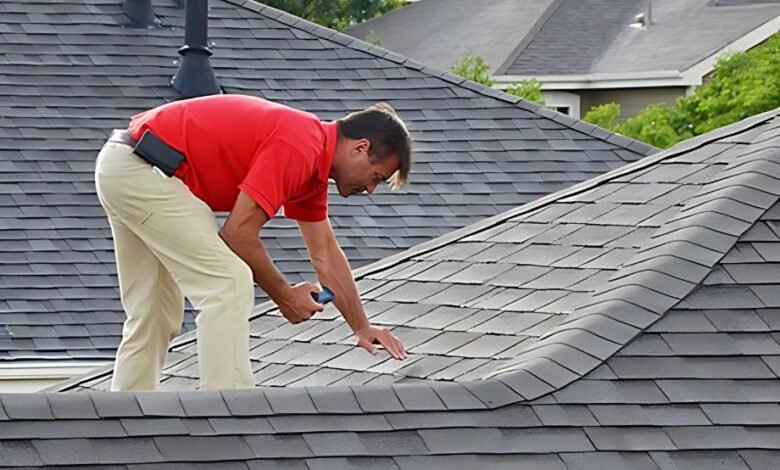
A professional roof inspection typically begins with a visual assessment of the roof’s exterior surfaces. Inspectors evaluate the condition of roofing materials, flashing, drainage systems, and other visible components. They look for signs of damage, wear, and deterioration that may affect performance.
The inspection often includes examination of roof penetrations such as vents, chimneys, skylights, and mechanical equipment. These areas are particularly vulnerable to leaks and require careful evaluation.
Interior spaces may also be inspected to identify evidence of water intrusion or structural concerns. Attics, ceilings, and upper-level rooms often provide valuable clues regarding the roof’s condition. Inspectors may check for moisture stains, mold growth, inadequate ventilation, and insulation problems.After completing the assessment, the inspector typically provides a detailed report outlining findings, recommended repairs, maintenance priorities, and observations regarding the roof’s overall condition. This report serves as a valuable resource for property owners making maintenance decisions.
Establishing a Roof Maintenance Strategy
Roof inspections are most effective when incorporated into a broader maintenance strategy. Rather than waiting for visible problems to appear, property owners should schedule inspections at regular intervals and after significant weather events.
Preventive maintenance may include cleaning gutters, removing debris, repairing damaged materials, sealing vulnerable areas, and addressing drainage concerns. Consistent maintenance helps maximize roof performance and reduce long-term repair costs.
Property owners should also keep detailed records of inspections, repairs, and maintenance activities. These records provide valuable historical information that can assist with future evaluations and budgeting decisions.Working with qualified roofing professionals ensures that inspections and maintenance procedures are performed correctly. Experienced specialists can identify potential risks, recommend appropriate solutions, and help property owners protect their roofing investments effectively.
Conclusion
Roof inspections are a critical component of responsible property ownership and long-term building maintenance. By identifying potential problems early, inspections help prevent costly repairs, extend roof lifespan, and protect structures from water damage and other forms of deterioration. Whether performed as part of routine maintenance or following severe weather events, inspections provide valuable insights into the condition and performance of the roofing system.
Investing in regular roof inspections allows property owners to take a proactive approach to maintenance rather than reacting to emergencies after damage has occurred. This strategy not only reduces financial risk but also contributes to greater safety, comfort, and property value. In an environment where roofing systems face constant exposure to the elements, consistent inspections remain one of the most effective tools for preserving the integrity and reliability of any building.